
Somewhat sadly, CDP is now in the past, at least for this year. I said fond farewells to my friends and friendly acquaintances in that town, Grosseto, the Maremma, and Toscana. My 2.5 months there were more than enjoyable; I am unbelievably fortunate to have met so many interesting fellow-travelers in life: may they forever prosper.
However, as we know, all good things must come to an end, which also means that now there is an opportunity for other good things to be enjoyed. One such is L‘Ago nel Pagliaio (the needle in the haystack, hereinafter called ANP) the place where I spent a few days following my departure from CDP. ANP is a marvelous bed and breakfast establishment in Guarene, a tiny picturesque village on a high hilltop overlooking Alba on the Tanaro river in Piemonte, about 65 km south of Torino www.agonelpagliaio.net . ANP is a real treasure, having guest accommodations in the beautifully transformed stables of an old villa, in which live the Gaschino family, Vittoria, Gianni and son Alfonso. Gianni is a successful artist who shows and sells his works, see www.giannigaschino.com. He is also a pilot and he bills himself as The Flying Painter. I have stayed here several times in the past three years and I am pleased that we have become friends. There are superb gardens on the property from which the Roero hills are seen, as are the French Alps on a clear day. The Roero hills on the west of the Tanaro valley and the Langhe on the eastern side are part of the famous wine producing regions of Piemonte, tiny villages with names such as Barbaresco, Barolo, Cinzano and Alba itself that appear on the shelves of wine stores throughout the world. Wine production is definitely a lucrative business in Alba, as can be seen by the size of the automobile dealerships in the town.
Guarene boasts an XVIIIth century castle that sits solidly atop the hill and dominates the town and indeed, the whole valley below. Driving from Asti in the north, alongside the Tanaro river you can see this monolithic structure from afar. From its appearance it is clearly not a fortress, but it was built in a period when fortresses and the like were unnecessary. Count Carlo Giacinto Roero himself drew the plans and had the place built, to replace a former manor house, with a residence with the same features as the other contemporary buildings. These places were deemed suitable for receiving those noble friends of the count who came to the countryside during the summer after they had spent a year enjoying the pleasures of the Savoia court in Torino.
A big recent event was that the castle was sold by the current nobles to a pair of local businessmen who had made their fortune by running worker cooperatives-the nouveau riche. Gianni tells me that at a meeting with the citizens, the new owners were very clear with details of how they were planning to restore the house and gardens, but very vague about what they would use the place for. He finds it hard to believe that someone would spend multiple millions of Euros on the purchase and multiple millions more on restorations, without having a plan of use in mind for the castle. Clearly this is an ongoing tale…
Now I am continuing my odyssey and admiring the beautiful and picturesque town of Ascona, a small Swiss town at the northern extremity of Lago Maggiore in the Ticino canton of Switzerland, of which you will read more in the coming days. But meanwhile, here are a few pictures of some of the many memorable moments of my CDP interlude, 2011.

Opening a bottle of Prosecco and being kissed by a lovely lady-what bliss!!!
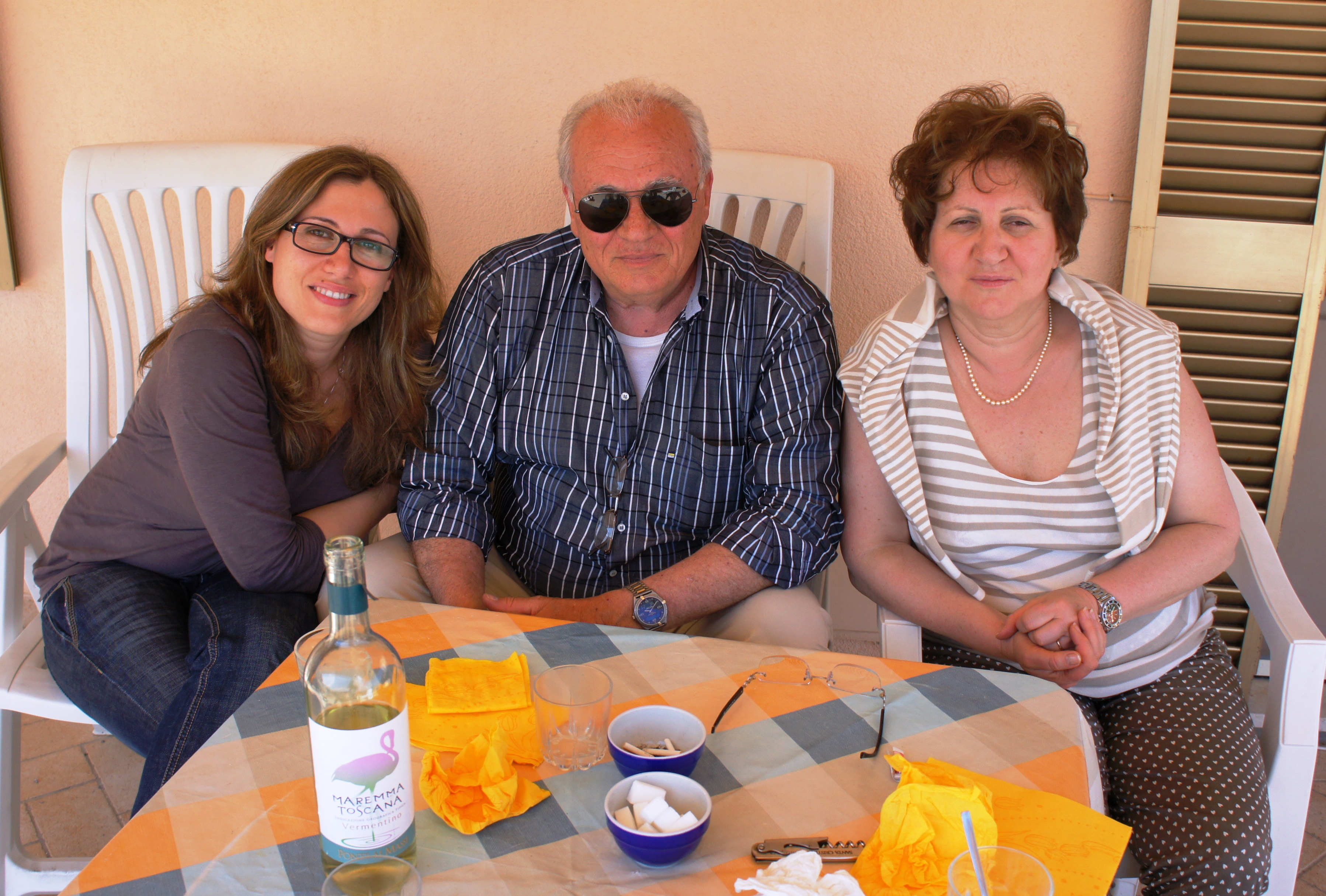
Laura and her dad and mom after lunch on the terrace at via Remota.
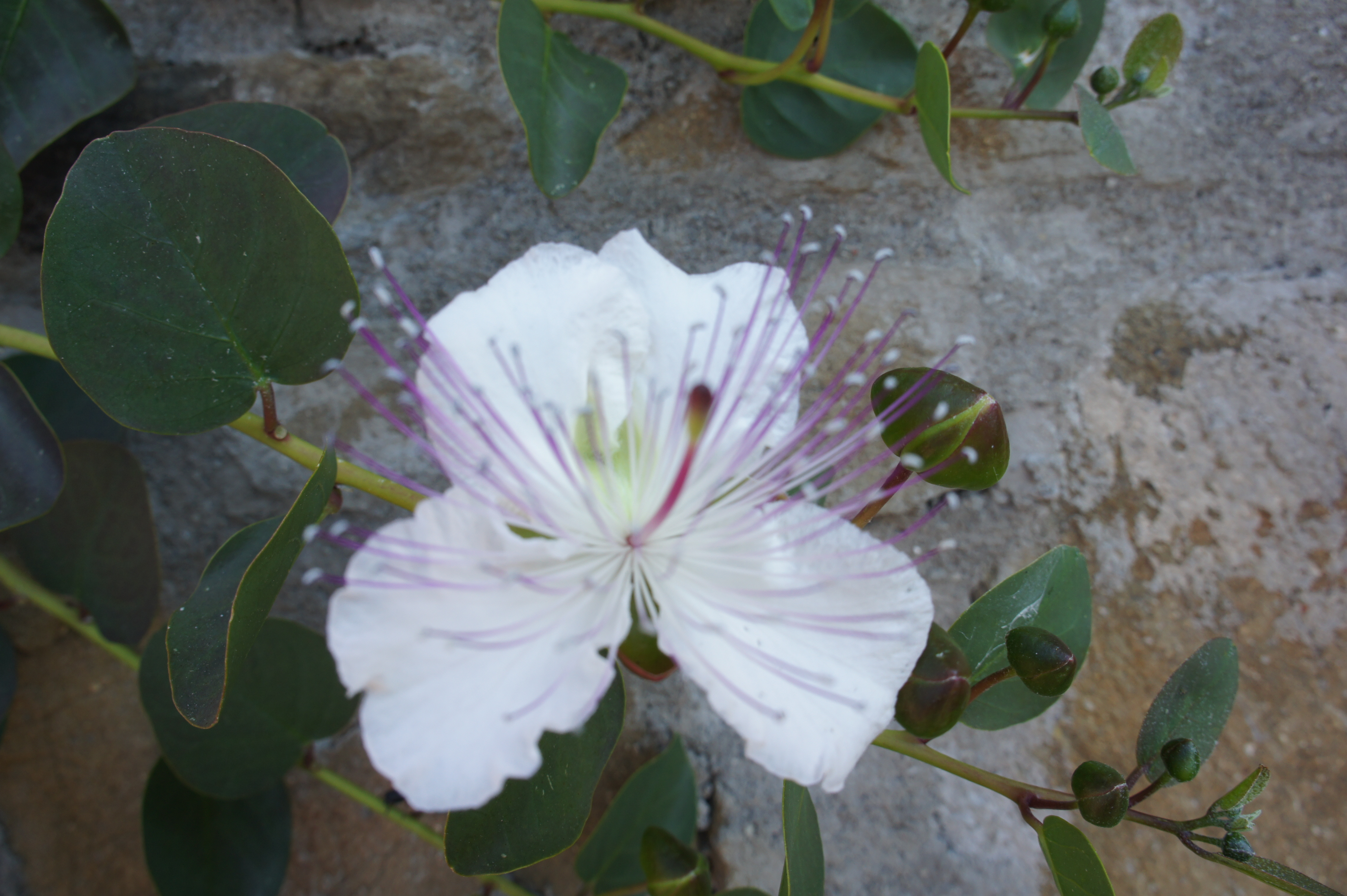
A flower on a caper bush growing out of a wall at via Remota.

Herta Mulazzani, her son Claudio, his friend Ouissal, and yours truly taking coffee on the street after lunch at Herta's home in Rimini.
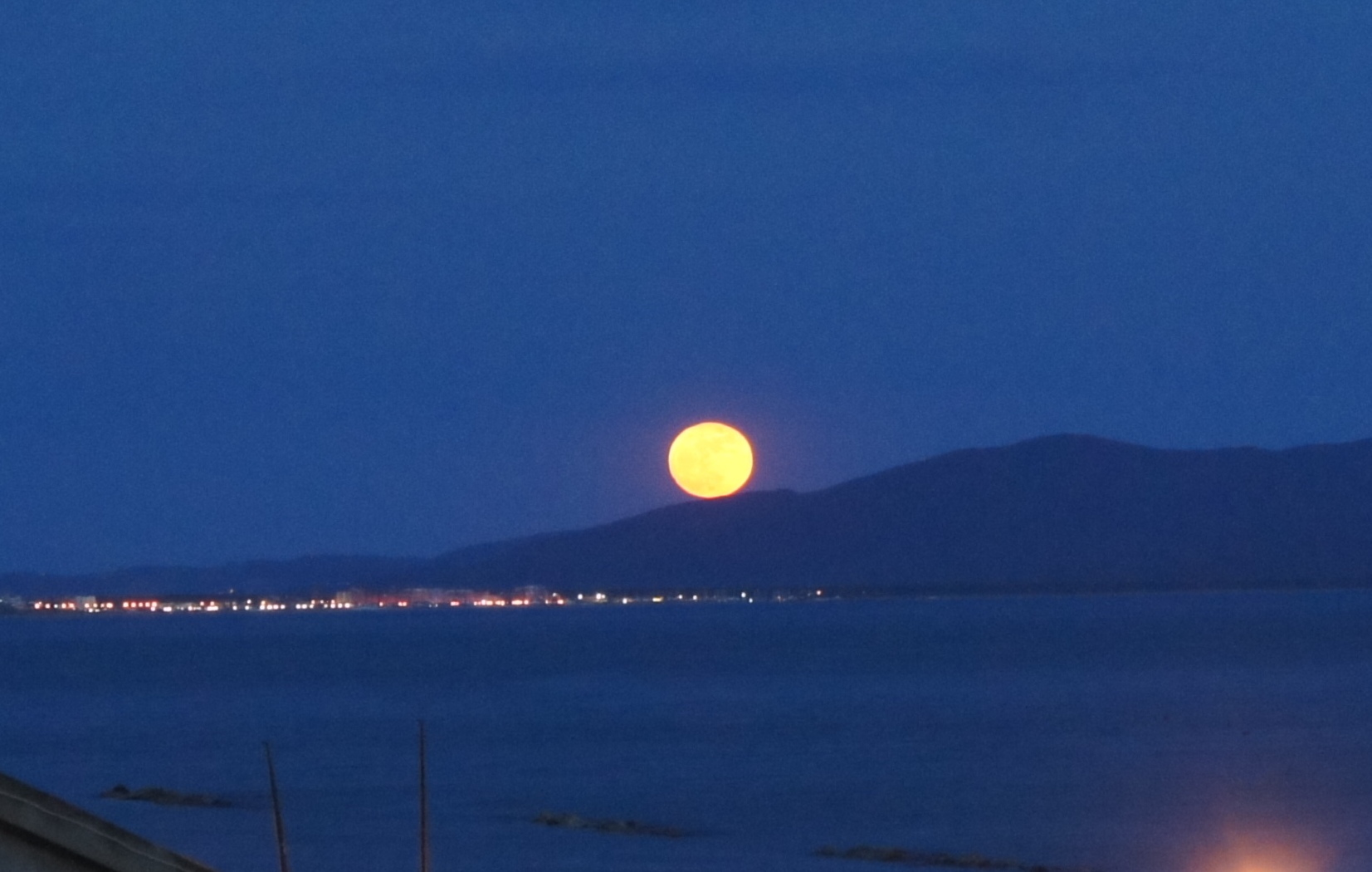
The May 17th full moon rising over the shoulder of the Park of the Maremma. The following full moon rose in a total eclipse as viewed from Laura's balcony in Siena.
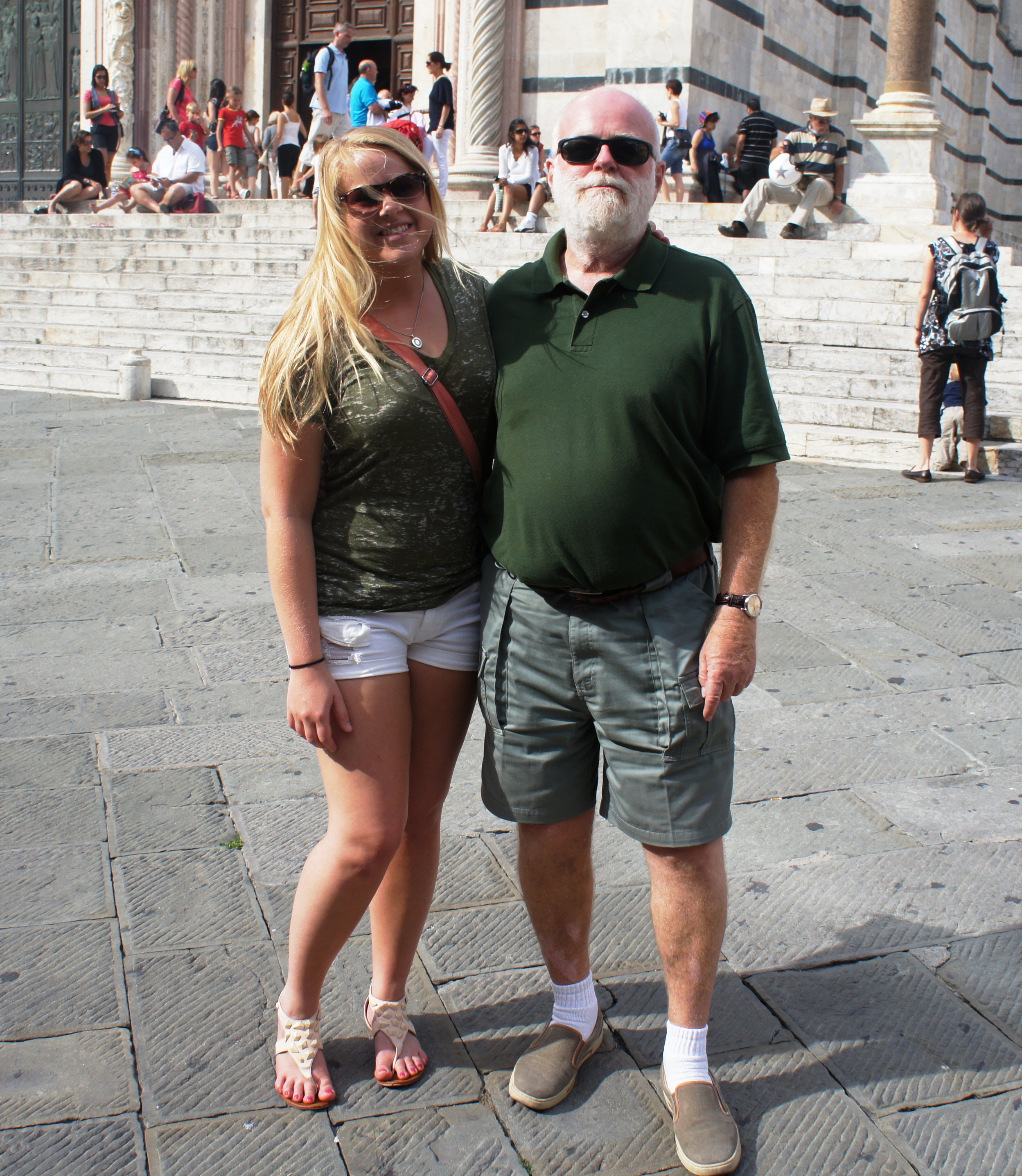
Emily and her lucky dad in front of the Siena cathedral.
 majrodgers